Complete Solar Panel Installation with Roof Assessment in Altamonte Springs, FL
Complete solar panel installation in Altamonte Springs, FL begins with a thorough roof assessment followed by custom design, permitting, quality installation, and final inspection, plus financing options and tax credit guidance.
How does roof assessment prepare your home for solar panels?
Roof assessment identifies structural capacity, remaining roof lifespan, and optimal panel placement to ensure your roof can safely support solar equipment for decades without needing premature replacement.
Solar panels add weight and wind load to your existing roof structure. A professional assessment confirms that your roof decking, trusses, and framing can handle the additional stress.
The assessment also evaluates your roof's age and condition. If your roof will need replacement within ten years, it makes sense to address roofing before installing solar panels to avoid costly removal and reinstallation.
What does the custom design process include?
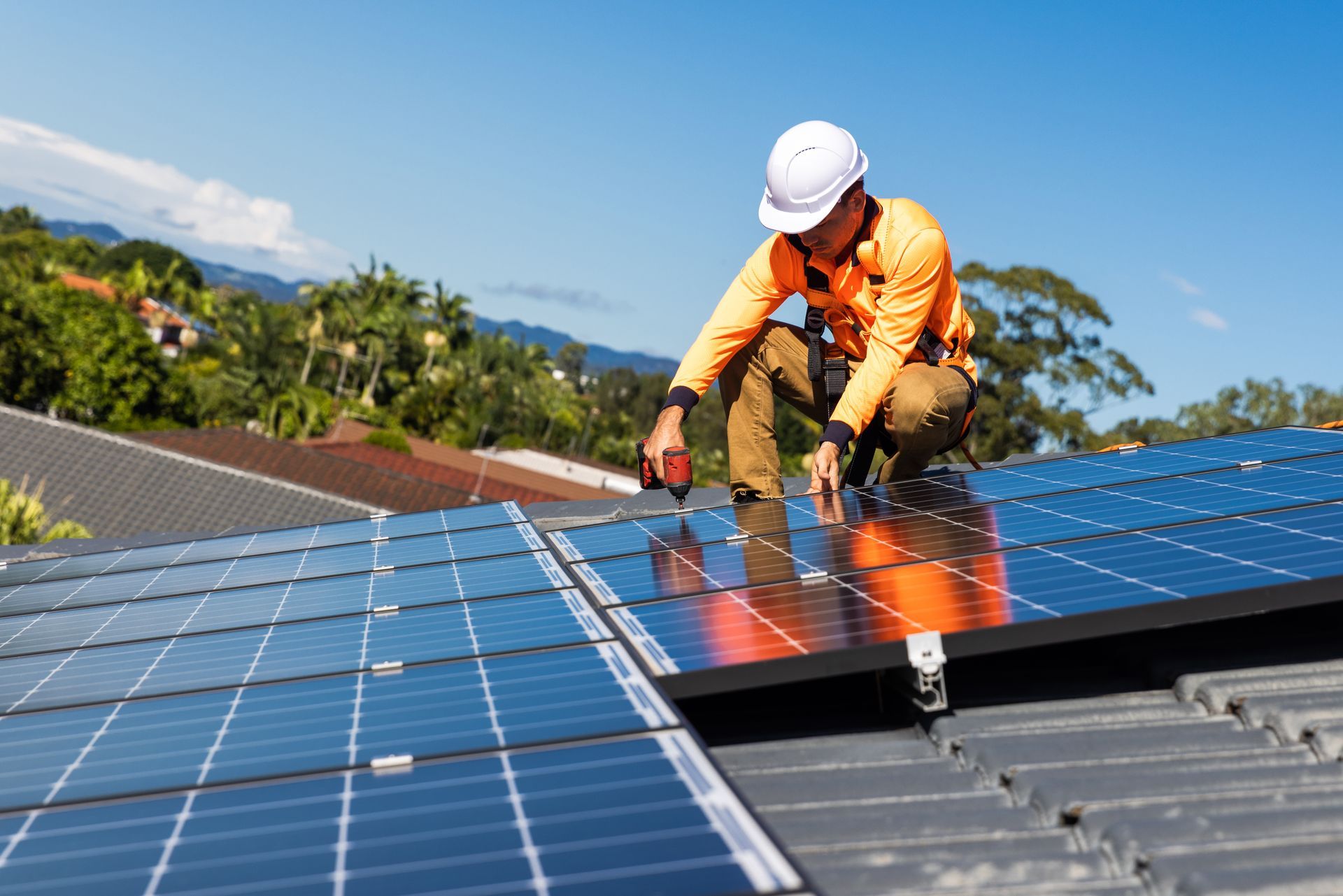
Custom design maps your roof's sun exposure, calculates energy production, and positions panels to maximize efficiency while working around vents, chimneys, and shaded areas on your property.
Designers analyze your energy usage patterns and utility bills. This data helps size the system to meet your specific needs without overbuilding or underperforming.
The design accounts for Altamonte Springs' solar angles throughout the year. Panel orientation and tilt are optimized to capture maximum sunlight during peak production hours. Homeowners interested in roofing upgrades can also review stone-coated metal roofing services in Altamonte Springs for energy-efficient alternatives.
Which permits and inspections are required in Altamonte Springs?
Solar installations require building permits, electrical permits, and utility interconnection approvals, followed by inspections to verify code compliance and safe operation before system activation.
Permitting ensures your system meets local building codes and electrical standards. The process includes submitting plans, waiting for approval, and scheduling inspections at key installation milestones.
Final inspection confirms proper wiring, grounding, and panel mounting. Once approved, your utility company authorizes grid connection so you can start generating solar power and reducing your electric bills.
How do financing options and tax credits reduce upfront costs?
Financing programs spread solar costs over time with manageable monthly payments, while federal tax credits and state incentives significantly lower the total investment required for installation.
Various financing options let you start saving on energy bills immediately without large upfront payments. Loan terms and interest rates vary based on credit and lender programs.
Federal tax credits can cover a substantial percentage of system costs. Professional guidance helps you understand eligibility, claim procedures, and timing to maximize your savings and return on investment.
Solar panel installation transforms your Altamonte Springs home into a power generator while reducing your carbon footprint.
Roofing Brothers of Florida, LLC manages every step from roof assessment through final inspection and financial guidance.
Connect with our solar experts by calling 407-710-1250. Learn how solar services in Altamonte Springs deliver clean energy, lower bills, and long-term value tailored to your home and budget.